Our History
From a demolished tobacco warehouse to a Mediterranean network
The story of Eutopia didn't start with a business plan. It started with a man, a pile of stones, and the stubborn belief that hospitality is a form of art.
The story of Eutopia didn't start with a business plan. It started with a man, a pile of stones, and the stubborn belief that hospitality is a form of art.
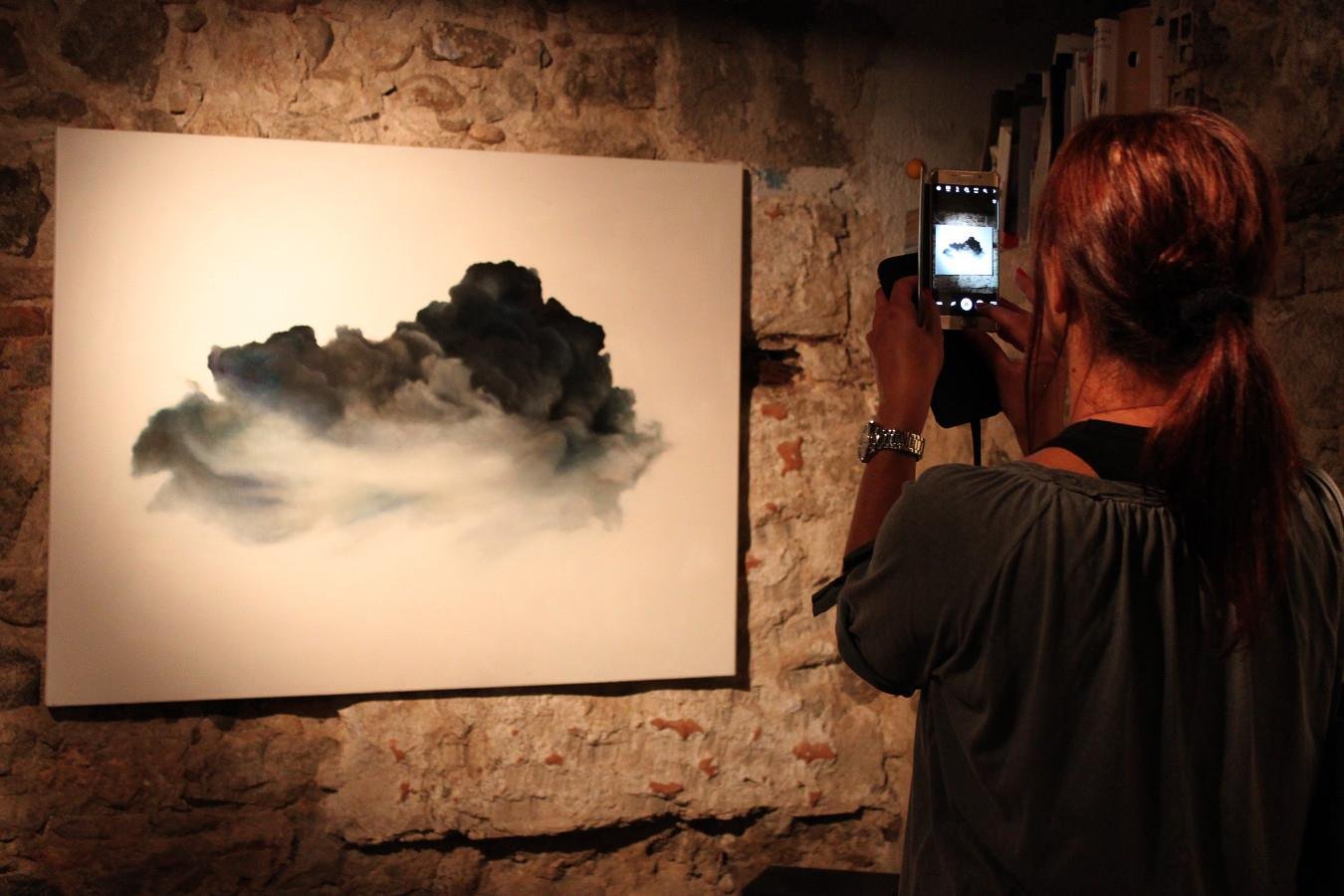
In Xanthi, Alexandros found a plot in the old town and built a building with stones he had collected himself from a demolished tobacco warehouse. Upstairs, his interior design office. Downstairs, his first gallery. A double life began — the man who builds spaces, and the man who fills them with art.
Cultural events, exhibitions, concerts, and symposia with artists from across the world begin. The seed of what would become Eutopia is planted — not in ambition, but in the simple act of opening a door.
Heart attack. Double bypass. Two years of silence. When Alexandros returned, he didn't return as he was. The experience of standing on the line between before and after reshaped everything — what mattered, what didn't, and what kind of work was worth doing.
He says: "Money doesn't interest me." And he says it the way someone does who has stood on the line between before and after a heart that stopped.
The gallery that opened after the return wasn't looking for established names with sales potential. It sought young artists. Energy. The conversation between people who had just begun to find their voice. The Balkan Art Gallery became a meeting point — not for the art market, but for the art itself.

After the pandemic, Alexandros transformed Ersi's family inheritance in Kavala into what was supposedly an Airbnb. His real intention was different — it was just easier to say it that way.
Three months he worked on the first website alone, with YouTube tutorials and Google Translate, without English, without any previous digital experience. He booked twenty artists in the first year. The residency had begun.

The second year brought thirty artists from across the world. The philosophy crystallized: give people time without expectations, a place that cares about their arrival, and a community that sees them. Eutopia was formally established as a non-profit organization dedicated to artist residencies.
Sixty artists. The network expanded beyond Kavala. The 4th International Ceramics Symposium launched in Meteora — where stone pillars and suspended monasteries taught ceramicists something about patience they couldn't learn anywhere else. The Monastery program in Peloponnese offered a 17th-century setting where ancient discipline meets contemporary practice.

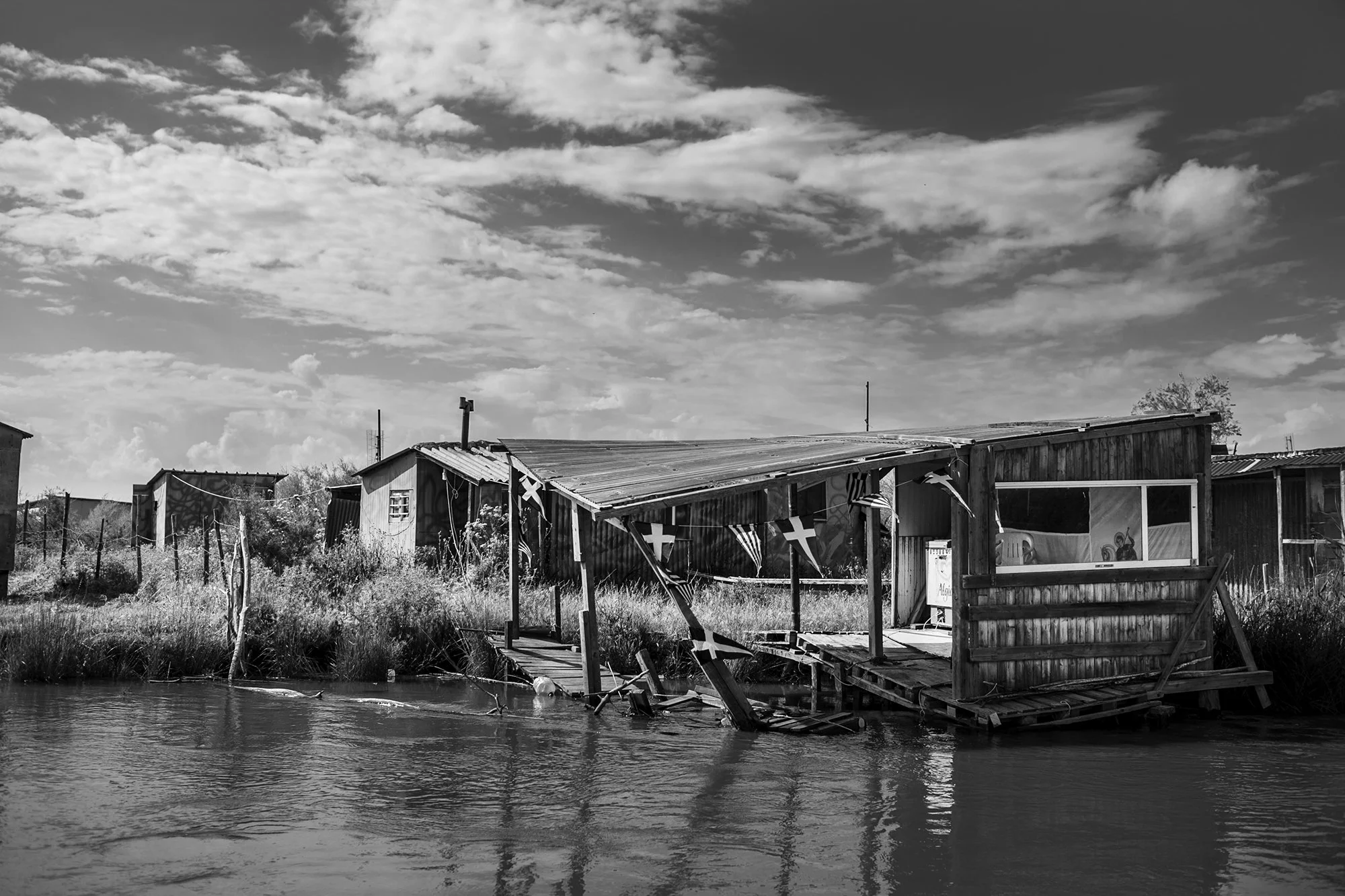
The Evros photography residency launched — exploring the place where geography, memory, and identity meet. Documentary and landscape photographers came to look at borders that weren't just geographic. The network now spanned from the Aegean coast to the Greek-Turkish frontier.
Twenty artists the first year. Thirty the next. Sixty the third. Seventy-five booked for 2026. Five programs. Five places. One philosophy.
Kavala, Meteora, Monastery, Evros, and Athens. Seventy-five artists booked. A new brand positioning as a Mediterranean Creative Living Network. A new website. A new chapter — built on the same philosophy that started with stones from a demolished warehouse in 2007.
The goal was never to build a brand or a successful business. It was simpler and harder: to leave an imprint on the hospitality of artists. An imprint that stays with people when they leave, and with places when the rooms empty for winter pause.
Applications for 2026 are open. Four locations, each with its own rhythm. We read every application personally.
Apply for 2026 ↗